

How the Kids Jiu-Jitsu Belt System Works at Gracie Barra Westchase
Enrolling your child in martial arts is an exciting milestone for any family in Houston. Parents often wonder how their children advance through the different rank levels on the mats. Specifically, understanding the colors, stripes, and promotion timelines can feel confusing for beginners. Brazilian Jiu-Jitsu features one of the most structured youth progression systems in modern sports.
Belts and stripes provide ways to recognize a student’s progress. Learning Jiu-Jitsu takes patience and practice, and instructors guide families through the process. This overview distinguishes the federation’s belt-age rules from the academy’s class groups and individual promotion decisions.
Discover Gracie Barra Westchase
The Purpose of the Youth Belt Progression System
Clear goals and feedback give children something concrete to work toward. A belt or stripe can mark a step in a student’s training.
Clear Milestones for Young Minds
Learning grappling techniques takes repeated practice. Breaking a skill into smaller steps can make the next training goal easier to understand.
Each new rank is an opportunity to recognize progress. Students can also notice improvements in individual movements between promotions.
Developing Patience and Long-Term Vision
Modern society frequently encourages children to seek instant gratification through digital devices. In contrast, martial arts practice teaches young practitioners the profound value of patient effort.
A promotion is an instructor decision, rather than a promised result after a set number of classes. Ask your child’s coach about their current goals and the academy’s assessment process.
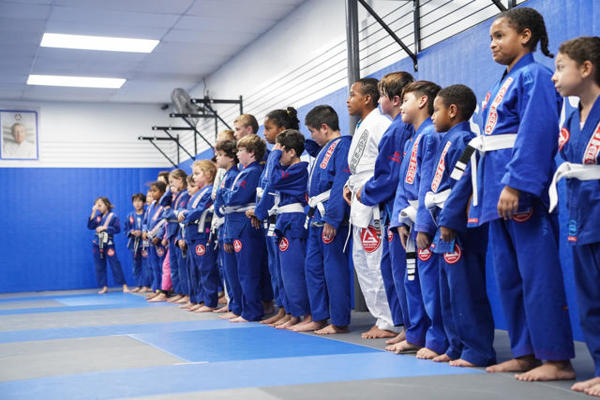
Overview of the Kids Jiu-Jitsu Belt Colors
The International Brazilian Jiu-Jitsu Federation (IBJJF) graduation system uses youth colored-belt groups for ages 4–15. The 16-and-older belt system begins in the year an athlete turns 16. IBJJF calculates age as the current year minus birth year. These federation rank rules are distinct from Westchase’s class groups: Tiny Champs 3–4, Champs 1 5–6, and Champs 2 generally 7–13.
White Belt: The Journey Begins
Every single practitioner starts their martial arts journey wearing a clean white belt. At this stage, young beginners discover fundamental mat safety, basic ground postures, and movement mechanics.
Beginners practice basic movements and learn class expectations. Listening to instructions and treating training partners responsibly are part of that introduction.
Grey Belt: Building Consistency and Basics
Under IBJJF rules, the grey belt group is available to athletes ages 4–15. It is the first colored-belt group in the youth sequence.
The grey group contains three belts: grey and white, grey, and grey and black. The instructor determines a student’s promotion within the applicable age rules.
Yellow Belt: Refining Technique and Focus
The yellow belt group is available to athletes ages 7–15 under IBJJF rules. Reaching the minimum age does not itself grant a promotion.
The three yellow belts are yellow and white, yellow, and yellow and black. Families can ask the instructor what skills their child is working on at their current rank.
Orange Belt: Demonstrating Control and Leadership
The orange belt group is available to athletes ages 10–15 under IBJJF rules. Progress remains an instructor decision; there is no universal youth time-in-belt guarantee.
The orange group contains orange and white, orange, and orange and black. It follows the yellow group in the youth belt sequence.
Green Belt: Mastering Fundamentals Before the Adult Ranks
The green belt group is available to athletes ages 13–15 under IBJJF rules. It is the final colored group in the youth sequence.
The three green belts are green and white, green, and green and black. In the year an athlete turns 16, IBJJF permits a green-belt athlete to transition to blue or purple at the professor’s decision. Grey, yellow, and orange belt athletes transition to blue; white belt athletes may remain white.
How Belt Stripes Work at Gracie Barra Westchase
Stripes can recognize intermediate progress between belt promotions. The academy’s instructors can explain the system used in your child’s program.
Tracking Attendance and Consistent Effort
Regular practice gives instructors opportunities to observe a student’s learning. Ask the coach how attendance and training progress are considered in the academy’s promotion process.
IBJJF publishes several suggested youth stripe systems and leaves their adoption to the professor. A fixed four-white-stripe system should not be assumed for every youth belt. Confirm the current Westchase process with your child’s instructor.
Technical Mastery and Mat Behavior
Families can ask which movements or class habits their child should focus on next. That conversation is more useful than expecting a promotion by a particular date.
Listening to instructors, following directions, and respecting partners are class expectations. Discuss any concerns directly with the coaching team; this overview does not set academy promotion conditions.
Key Character Lessons Taught Through Belt Promotions
Training offers opportunities to practice patience, respect, and persistence. These are goals of participation rather than guaranteed outcomes from earning a belt.
Embracing the Value of Hard Work
Nothing on the Jiu-Jitsu mats happens by luck or pure accident. Children quickly discover that their skill level reflects the honest effort they invest into training.
When a student struggles with a movement, they can ask for guidance and practice it again. Recognizing that effort is one way families can support the learning process.
Learning to Handle Setbacks with Grace
Every student experiences moments of frustration during their martial arts path. Sometimes a peer earns a stripe first, or a training partner counters a favorite technique during sparring.
Students can treat a difficult attempt as a learning opportunity: reset, ask a question, and work on the movement again. Progress can look different for each child.
Developing Healthy Peer Camaraderie
The belt promotion process fosters deep mutual respect among young training partners. Children celebrate the achievements of their teammates with genuine excitement during promotion ceremonies.
Students realize that they cannot improve their personal skills without the cooperation of their peers. Therefore, our academy cultivates an uplifting team culture where students motivate each other to reach new heights. These positive bonds create strong, healthy friendships that enrich their everyday lives.
The Role of Our Highly Trained Instructors
Guiding young minds through a multi-year athletic journey requires exceptional care, patience, and professional expertise. Our coaching team prioritizes child safety, emotional encouragement, and precise technical instruction.
Constructive Feedback and Mentorship
Our highly trained instructors take the time to know each student on an individual level. Coaches offer specific, actionable feedback that helps children correct technical mistakes without feeling discouraged.
Furthermore, our well-trained coaching staff models the very virtues of humility and discipline that we expect from our students. Instructors maintain a supportive atmosphere where children feel safe to try new movements, ask questions, and grow at their own pace.
Guided Practice and Class Expectations
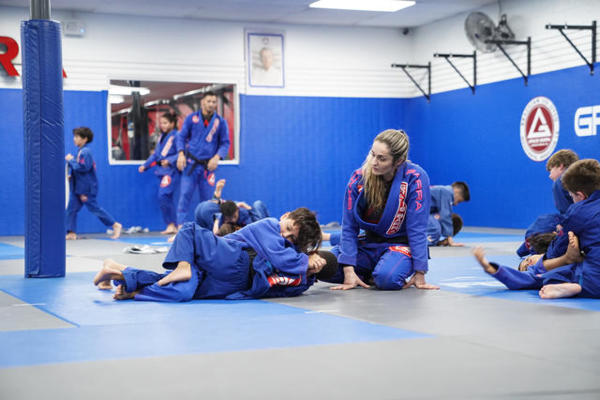
Instructor guidance and responsible partner practice are important parts of class. Families are welcome to visit and ask about the academy’s training expectations.
Follow the instructor’s directions for drills and partner work. Talk with the coaching team about your child’s experience and any questions before class.
Connecting Belt Progression to Everyday Life
Families can use training goals as a starting point for conversations about effort and patience. Each child’s experience on and off the mats is different.
Goal-Setting in School and Daily Routines
A small training goal gives children a manageable task to practice. Families can help by asking what they learned and what they would like to work on next.
Encouragement can focus on effort and learning rather than comparing promotions. A child’s belt rank does not predict school performance.
Working Toward Discipline and Confidence
A new belt can be a meaningful moment for a student. It recognizes progress within the training program, while continued learning remains part of the journey.
Confidence is a goal many families bring to Jiu-Jitsu. Instructors can discuss how the program fits your child’s needs, without promising a particular change in anxiety or social experiences.
Start Your Child’s Martial Arts Journey in Westchase
Would your child like to try Jiu-Jitsu and work toward new skills? Begin with a free introductory class and a conversation about the appropriate youth program.
Discover Gracie Barra Westchase
Our welcoming team is eager to introduce your family to our world-class youth curriculum. We invite local families from across the Westchase community to visit our modern academy.
Visit our academy at 2610 Fondren Road, Houston, TX 77063, or call (713) 977-7418 to ask about your child’s free introductory lesson. Our team can explain class placement and what to bring.